


lenoregroff440
About lenoregroff440
Understanding Precious Metals IRA: A Comprehensive Study Report
Introduction
In recent years, the financial panorama has been more and more characterized by volatility, prompting traders to hunt alternative avenues for safeguarding their wealth. One such avenue is the Precious Metals Particular person Retirement Account (IRA), which permits individuals to put money into physical valuable metals as a part of their retirement financial savings. This report goals to provide an in depth overview of Valuable Metals IRAs, exploring their structure, advantages, dangers, and the regulatory framework governing them.
What’s a Precious Metals IRA?
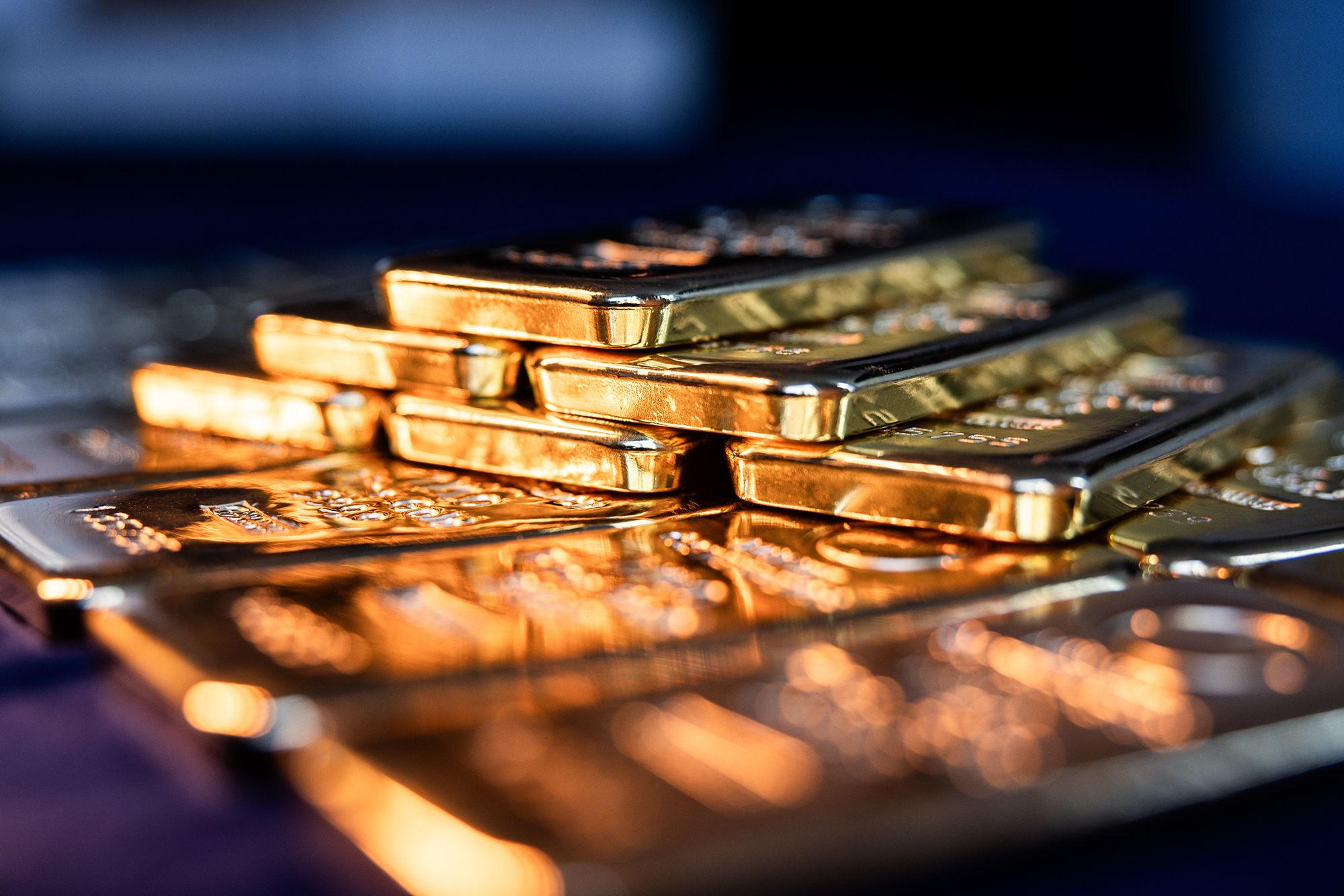
A Precious Metals IRA is a specialized type of Particular person Retirement Account that permits the inclusion of physical treasured metals—such as gold, silver, platinum, and palladium—in the investment portfolio. Not like conventional IRAs, which usually consist of stocks, bonds, and mutual funds, a Precious Metals IRA offers a tangible asset choice that may serve as a hedge against inflation and financial uncertainty.
Types of Treasured Metals Allowed
The interior Revenue Service (IRS) has particular pointers concerning which metals will be included in a Precious Metals IRA. The first metals eligible for funding are:
- Gold: Must meet a minimum purity of 99.5%. Commonly accepted Gold iras that you can hold coins embody the American Gold Eagle, Canadian Gold Maple Leaf, and the Austrian Philharmonic.
- Silver: Requires a minimal purity of 99.9%. Acceptable silver coins embrace the American Silver Eagle and Canadian Silver Maple Leaf.
- Platinum: Must have a purity of 99.95%. The American Platinum Eagle is a generally accepted coin.
- Palladium: Requires a minimum purity of 99.95%. The American Palladium Eagle is among the many eligible options.
Advantages of a Precious Metals IRA
- Hedge Against Inflation: Treasured metals have traditionally maintained their worth over time, making them a dependable hedge in opposition to inflation and foreign money devaluation.
- Diversification: Including treasured metals in an funding portfolio can improve diversification, lowering overall threat. This is especially vital in times of economic downturns when conventional property might falter.
- Tangible Asset: In contrast to stocks and bonds, treasured metals are physical property. This tangibility can present a sense of safety for traders who are cautious of market fluctuations.
- Tax Advantages: Like traditional IRAs, Treasured Metals IRAs provide tax-deferred growth. Investors can get pleasure from tax benefits until they withdraw funds during retirement.
- Safety from Economic Uncertainty: Valuable metals have historically carried out properly throughout durations of financial instability, offering a protected haven for traders.
Dangers and Issues
Whereas there are quite a few advantages to investing in a Precious Metals IRA, there are also risks and issues that buyers must keep in thoughts:
- Market Volatility: The prices of precious metals will be unstable, influenced by elements reminiscent of supply and demand, geopolitical tensions, and changes in foreign money values.
- Storage and Insurance coverage Costs: Bodily valuable metals have to be stored in an IRS-permitted depository, which incurs storage fees. Moreover, insurance prices might apply to protect towards theft or injury.
- Limited Liquidity: In contrast to stocks or bonds, promoting bodily metals can take time and will involve further prices, impacting liquidity.
- Regulatory Compliance: Traders must make sure that their Precious Metals IRA complies with IRS regulations, including the types of metals allowed and storage requirements.
- Potential for high Charges: Organising and sustaining a Precious Metals IRA can contain increased fees in comparison with traditional IRAs. Investors should rigorously review all related prices, together with setup, storage, and transaction fees.
Establishing a Precious Metals IRA
Establishing a Precious Metals IRA involves several key steps:
- Choose a Custodian: Traders should choose a qualified custodian to manage their IRA. The custodian will handle the paperwork, compliance, and storage of the valuable metals.
- Fund the Account: Traders can fund their Precious Metals IRA via a rollover from an current retirement account or by making a direct contribution.
- Choose Valuable Metals: As soon as the account is funded, traders can select which eligible valuable metals to buy. It’s important to work with a good seller to ensure truthful pricing and high quality products.
- Storage: The precious metals have to be saved in an IRS-accepted depository. Buyers ought to inquire in regards to the depository’s security measures and insurance coverage.
- Monitoring and Management: Buyers should often monitor their Precious Metals IRA and stay knowledgeable about market developments and adjustments in laws.
Regulatory Framework
Valuable Metals IRAs are topic to specific laws set forth by the IRS. These rules dictate the kinds of metals that may be included, the purity requirements, and the storage circumstances. Failure to adjust to these regulations can lead to penalties and disqualification of the IRA.
The IRS also mandates that all transactions involving valuable metals in an IRA have to be performed at fair market worth. Which means investors should be cautious of inflated costs and ensure transparency in all transactions.
Conclusion
A Precious Metals IRA generally is a useful addition to an investor’s retirement portfolio, offering diversification, safety against inflation, and a tangible asset possibility. However, it is crucial for investors to fully understand the advantages, dangers, and regulatory requirements related to these accounts. By conducting thorough research and working with reputable custodians and dealers, investors could make informed selections that align with their monetary goals and risk tolerance. As with all investment, cautious planning and consideration are crucial to reaching lengthy-term success in the realm of precious metals.
No listing found.